How Does Sun Exposure Damage Your Skin?
Sunshine can lift our mood, but repeated sun exposure with little or no SPF can cause lasting changes to the skin. Sun damage does not only happen when the skin visibly burns. Ultraviolet radiation can affect the skin throughout the year, including on cloudy days and through windows.
At Aaron Bishop Aesthetics, we believe healthier skin begins with understanding what your skin genuinely needs not following a one-treatment fits all approach.
What happens to skin without adequate SPF?
UVA rays penetrate more deeply into the skin, contributing to premature ageing, while UVB rays are commonly associated with sunburn and direct damage to skin-cell DNA. Over time, cumulative exposure can affect the skin’s hydration, pigmentation, strength and ability to repair itself.
Potential complications of excessive sun exposure include:
Uneven pigmentation, sunspots and areas of discolouration
Melasma or worsening of existing pigmentation concerns
Dryness, dehydration and a weakened skin barrier
Increased redness, sensitivity and visible broken capillaries
Reduced collagen and elastin
Rough, uneven skin texture
Enlarged or more noticeable pores
Loss of firmness and elasticity
Increased fine lines and deeper wrinkles
Actinic keratoses, which are rough, sun-damaged patches requiring medical assessment
An increased risk of skin cancers, including melanoma
UV exposure creates oxidative stress within the skin and activates enzymes that break down collagen. At the same time, the skin may become less efficient at producing new collagen. This combination can lead to thinner, less resilient skin with reduced firmness and more visible lines.
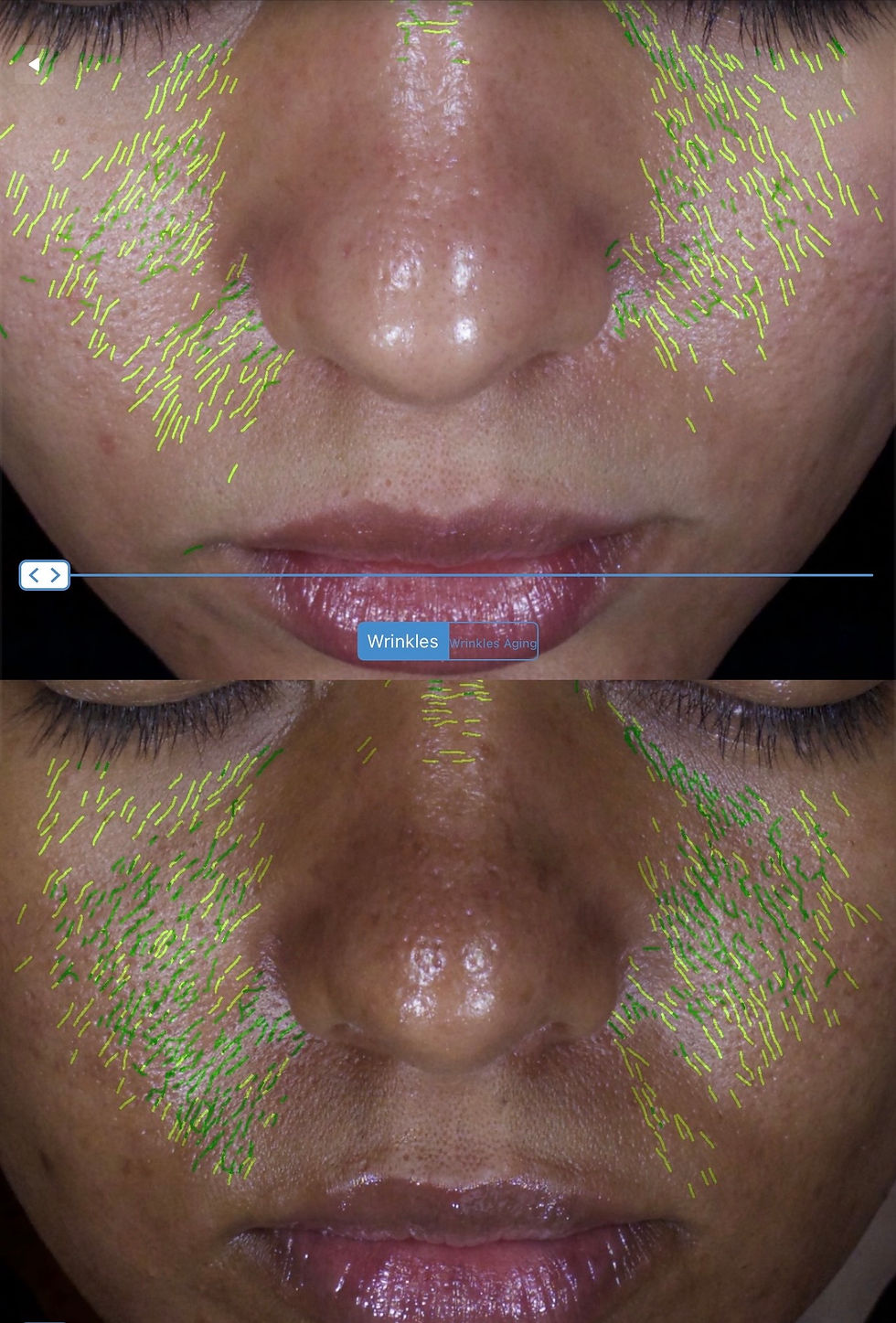
Can sun-damaged skin be improved?
Although established sun damage cannot always be completely reversed, its appearance can often be improved with an individualised skincare and treatment plan. Daily broad spectrum SPF remains essential because it helps protect the skin from further damage and supports the results of professional treatments.
Depending on your skin scan, consultation and clinical assessment, recommendations may include:
Personalised home skincare to support hydration, pigmentation, antioxidant protection and skin-barrier health
Professional chemical peels to improve dullness, uneven tone, superficial pigmentation and texture
Microneedling to encourage skin renewal and support collagen production
Dermalux LED phototherapy to support recovery, inflammation management and overall skin health
Skin boosters to improve hydration, elasticity and skin quality
LaserMe treatment to target concerns including pigmentation, uneven texture, fine lines and visible signs of photoageing
Not every treatment will be appropriate for every patient. Pigmentation type, skin tone, barrier health, sensitivity, medical history and the severity of sun damage must all be considered before treatment begins.
Complimentary skin scans this month
Throughout the month September, every patient attending Aaron Bishop Aesthetics will receive a complimentary skin scan. This detailed assessment allows us to look beneath what can be seen in the mirror and identify concerns such as pigmentation, UV damage, dehydration, sensitivity, uneven texture and visible signs of ageing.
Your findings will be discussed with you, helping us ensure that any treatment you receive is appropriate for your skin’s current condition and longer-term needs.
This is not about giving every patient the same treatment. It is about creating a safe, clinically considered and individualised skin plan for each person whether that begins with home skincare, professional treatments or simply better daily sun protection.
If you are concerned about a new, changing, bleeding or non-healing skin lesion, please seek assessment from your GP or dermatologist before undergoing cosmetic treatment.
Book your consultation and complimentary skin scan at Aaron Bishop Aesthetics in Upminster to discover what your skin needs to become healthier, stronger and better protected.


Comments